
Rhinestones are dazzling gems that have been adorning clothing, jewelry, and accessories for centuries. These shimmering stones captivate the eye and add a touch of glamor to any outfit. But have you ever wondered how rhinestones are made? Let's take a fascinating journey through their manufacturing process—from raw materials to final dazzling form.
THE SECRET BEHIND THE SPARKLE
The mesmerizing brilliance of rhinestones isn't accidental—it's the result of precision engineering where every facet, coating, and quality control step is carefully orchestrated to maximize light reflection. Understanding how glass, acrylic, or crystal transforms into these sparkling gems reveals the artistry and science behind an embellishment that has captivated fashion and design lovers for generations.
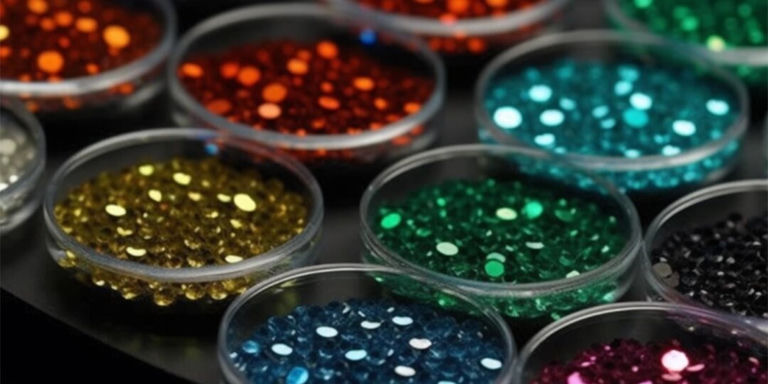
The Birth of Rhinestones: Raw Materials
RHINESTONE MATERIALS:
- Glass: Traditional rhinestones are crafted from glass, melted and cut into precise shapes before being coated to enhance their facets
- Acrylic: Lightweight and budget-friendly, acrylic rhinestones are molded into shapes and prized for their versatility
- Crystal: Premium rhinestones are made from crystal, offering exceptional clarity and brilliance—brands like Swarovski are renowned for their crystal rhinestones
The Art of Cutting and Shaping
PRECISION CUTTING PROCESS:
- Cutting: Raw material is sliced into uniform shapes using specialized equipment that ensures consistency across thousands of stones
- Faceting: Tiny flat surfaces, called facets, are cut onto the rhinestones to reflect light and create maximum sparkle—more facets mean more brilliance
- Quality inspection: Each batch is examined to ensure precision in size, shape, and cut before moving to the coating stage
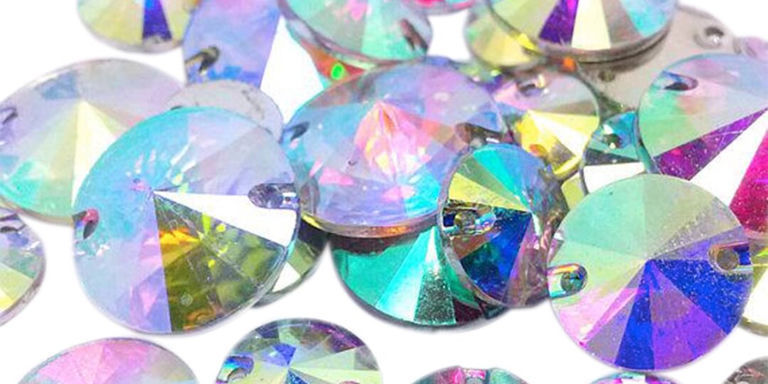
Adding the Sparkle: Coating
FOILING
A thin metallic foil layer (often silver or aluminum) is applied to the back of rhinestones to boost their brilliance. This reflective backing acts like a mirror, bouncing light back through the facets for maximum shine.
AURORA BOREALIS (AB)
A rainbow-like coating that gives stones a magical, multi-colored shine. This iridescent finish creates prismatic effects that shift colors depending on the viewing angle and lighting conditions.
METALLIC COATINGS
Other metallic treatments can alter colors and create dramatic visual effects for rhinestones, from gold and rose gold tones to specialized finishes that enhance specific design aesthetics.
Quality Control: Ensuring Perfection
Every rhinestone undergoes rigorous quality checks before it can sparkle in your designs:
- Size and Shape Consistency: Rhinestones are inspected for precise dimensions.
- Clarity and Brilliance: The cut and coatings are checked to ensure maximum shine and sparkle.
- Color Matching: Stones of the same batch must have uniform color tones for design consistency.
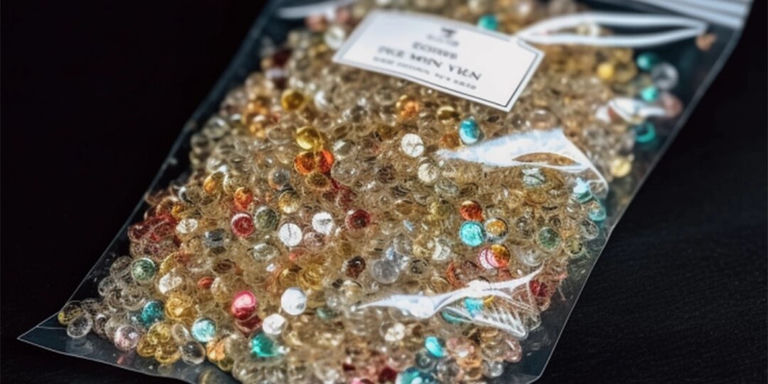
Packaging and Distribution
After passing inspections, rhinestones are sorted by size, shape, and color. They're then carefully packaged and shipped to manufacturers, designers, and retailers worldwide—ready to become part of jewelry, apparel, nail art, and home décor.
A Shining Legacy
The journey of rhinestones from raw materials to sparkling gems is a true testament to craftsmanship and artistry. Next time you see rhinestones adorning fashion or décor, you'll have a deeper appreciation for the intricate process behind their brilliant beauty!
Comments
Leave a Comment