
Rhinestone Design vs Placement: The Difference

Rhinestone design and rhinestone placement are two distinct but equally important aspects of working with rhinestones in creative projects like fashion design, jewelry making, and crafts. Understanding the differences between them helps ensure a successful and stunning final piece.
Rhinestone Design
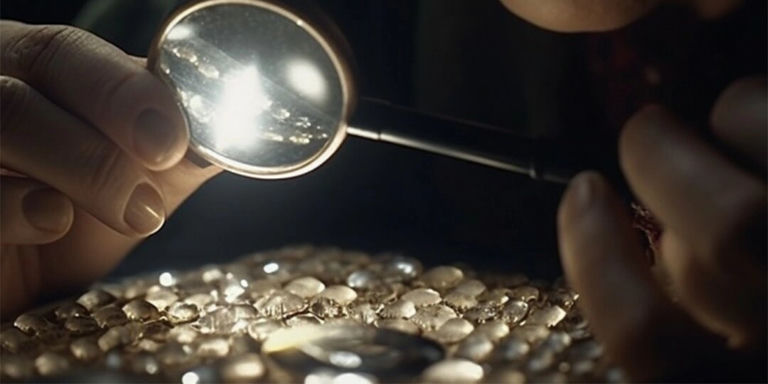
Conceptualization: Rhinestone design begins with the creative idea—how you want the finished piece to look, the story you want it to tell, and the emotional impact you want it to have.
Pattern Creation: This involves determining the specific arrangement of rhinestones, including their size, shape, and color, to create the desired effect. Many designers sketch their ideas by hand or digitally to map out the placement of resin rhinestones, pearls, or pointback rhinestones.
Artistic Expression: This phase lets designers experiment with color palettes, themed looks, or innovative techniques like blending Korean rhinestones and acrylic rhinestones for unique effects.
Customization: One of the joys of rhinestone design is personalization. Whether designing iron-on letters for a jacket or a custom rhinestone motif for a bag, it’s all about tailoring the creation to the project or client.
Planning and Preparation: Designers select rhinestones, gather necessary tools, and organize their workspace before moving into the physical creation phase.
Rhinestone Placement
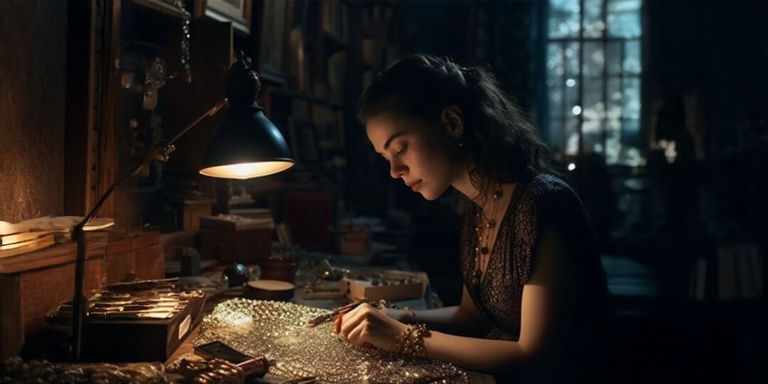
Execution: Following the planned design, rhinestones are affixed to surfaces like fabric, leather, glass, or accessories. Techniques might involve hotfix projects, using adhesive, or sewing rhinestones by hand.
Precision and Technique: Placement requires careful attention to spacing, angles, and positioning to preserve the integrity of the design. Tweezers, rhinestone applicators, and precision tools are essential for this work.
Hands-On Process: Whether setting MC flatback rhinestones on a clutch or hand rhinestoning custom apparel, this step brings the design to life through deliberate, steady work.
Quality Control: During placement, designers must consistently check for evenness, secure adhesion, and alignment to maintain a polished final look.
Completion: Once all rhinestones are securely attached, the project moves into its final review, ready to be worn, displayed, or gifted with pride.
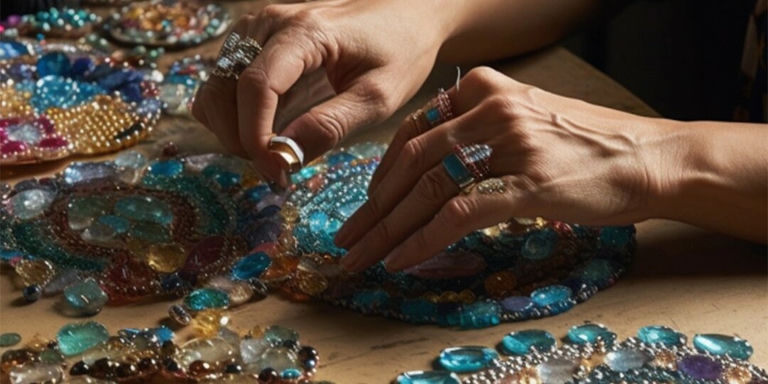
In summary, rhinestone design is the creative, visionary stage where the overall concept and artistic direction are set, while rhinestone placement is the meticulous hands-on execution that brings the vision to sparkling life. Mastering both ensures that your rhinestone projects are not just beautiful, but also crafted with precision and passion.
Comments
Leave a Comment